The Illusion of Control
One of the most intriguing aspects of gambling psychology is the illusion of control, which refers to the belief that players can influence the outcome of games predominantly driven by chance. This perception often leads casino-goers to exhibit behaviors that suggest they have a say in the fate of their bets. For instance, players may develop personal rituals or superstitious behaviors, believing that tossing dice a certain way or selecting top bitcoin casinos can alter the game’s outcome.
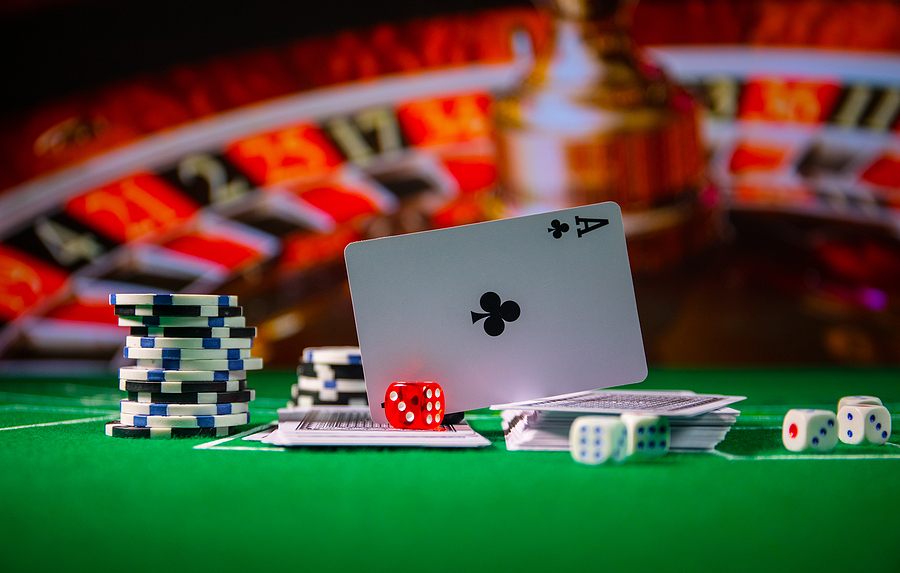
This psychological phenomenon is grounded in cognitive biases, where individuals might interpret a series of wins or losses as evidence of their influence over the game. Understanding this can shed light on why people continue to gamble, as the feeling of control can intensify the enjoyment and engagement of the experience.
The Role of Positive Reinforcement
Positive reinforcement plays a significant role in shaping gambling behavior. Casino games often reward players with small wins or bonuses to keep them engaged and encourage prolonged play. These intermittent rewards can create a powerful feedback loop, making players return for more in hopes of hitting the jackpot.
This psychology is akin to that seen in other forms of gambling, such as slot machines, where the occasional payout reinforces a player’s desire to keep playing. Understanding how positive reinforcement affects decision-making in casino environments can help explain the persistence of gambling habits, even in the face of repeated losses.
The Impact of Near Misses
Near misses are a common feature in many casino games, where players come close to winning but ultimately fall short. This experience can significantly impact players’ emotions and decision-making processes. The brain often responds to these near-wins similarly to actual wins, which triggers feelings of excitement and encouragement to continue playing.
Although a near miss technically results in a loss, the psychological effect it has on players can lead to an increased playing time and betting amounts. Understanding how near misses manipulate emotions can help identify why players remain loyal to particular games despite the odds being stacked against them.
Cognitive Dissonance and Justification in Gambling
Cognitive dissonance is the discomfort experienced when holding two conflicting beliefs or attitudes. In casino gambling, this often manifests when players rationalize their losses to justify their continued engagement with the games. To alleviate the mental discomfort, individuals may downplay their losses or exaggerate their winning streaks, convincing themselves that their luck will change.
This tendency can lead to a cycle of chasing losses, where players become trapped in a loop of belief that their next bet could yield a substantial win. Understanding cognitive dissonance is crucial for both players and those involved in the gambling industry, as it can influence responsible gambling practices and overall player health.

Discover More About Gambling Psychology on Our Platform
Our website is dedicated to exploring the intricate relationship between psychology and gambling. We provide valuable insights into game design, player behavior, and psychological phenomena such as luck. By delving into these topics, we aim to enhance the understanding of how psychological factors influence gambling experiences.
Join us to discover resources, articles, and tools that will deepen your knowledge of the gambling world. Whether you are a novice or an experienced player, our platform seeks to empower your journey by uncovering the psychological factors at play in casino games.